

I had a vision, standing in a field in Italy called Masi, which means together. There was an olive tree and crops from the previous year growing – grains that had been rescued from the Aleppo seed bank: barley and wheat and oats. There were rose petals in the hedgerow, and cornflowers and butterflies. The sun was coming through the field, and as I was standing there I felt totally connected. Then my foot stepped on some wild oregano and its scent rose up. And in that moment, I saw this vision of grasses and flowers growing together and I realised we needed to eat the whole meadow.
– Vanessa Kimbell
I’m talking with Vanessa about very small matters, namely the teeming diversity of microbes that live inside us, and how they thrive in the presence of fermentation and diverse diets. What it might take for us to change the way we approach food and become symbiotic with the planet on our plates.
But before we go there, she says, you have to understand the backstory.
Vanessa is a fourth generation baker, who served her traditional apprenticeship in the Dordogne in France where she grew up, though she tells me she has always been dissident, even from a young age: ‘Dissidence runs though all my work. The way I bake bread is a form of disruption.’
However, her own life and craft were radically disrupted by illness ‘just as I was about to fledge’, which stopped her from being able to bake anything made with wheat. Then years later, at the age of 30, she discovered she could eat sourdough and began her lifetime inquiry into the action of fermentation and bread on the human body.
In 2016 when microbial testing came in showing what was going on in the gut, I could really start delving into the impact of the food we are eating on the gut microbiome and our mental health.
To be a true anarchist, to really engage in systems change, I had to create a different blend of flour. It took a great deal of grit to create the Botanical Blend, as it is just on the edge of what milling can do. It is a beautiful form of anarchy. It invites people to challenge the system, to support the farmers, to support the external and internal diversity in their everyday lives.
It is a beautiful form of anarchy. It invites people to challenge the system, to support the farmers, to support the external and internal diversity in their everyday lives.
And the bread, the sourdough, the botanical blends, are all part of the reconnection exercise to put back what we need to function correctly because we are in dysfunction. We are now at a 50% microbial extinction in the average population, and literally devolving the food system.
We are now at a 50% microbial extinction in the average population, and literally devolving the food system.
People say the gut is our secondary brain – it’s not, it’s our first. We evolved with fermentation. Our language and cognitive function, our physiological and social structure, evolved around bread. So bread now is the perfect delivery system. This is why we have to evolve what has been devolved by industrialisation. The blend is exciting, and it tastes amazing! You can taste the whole meadow in there. It’s so beautiful.
Definitely the best thing since sliced bread.

Botanical Blend No 2 (grains) 14 grains, seeds, pulses and flowers reflecting the diversity of crop and wild plants one might find in and by a field. The flour contains: emmer wheat, einkorn, barley, rye, naked oats, flax, buckwheat, dried peas, poppy seeds, cornflower, mallow flowers, rose petals, oregano, nettle. Created by Vanessa Kimbell and blended at Hodmedod’s Bean Store from grains and seeds grown by UK farmers, this botanical base mix is designed for use in sweet and savoury sourdough baking.
Botanical Blend No. 2 (flour) is the culmination of years of research by Vanessa into the workings of the gut microbiome, the process of wild yeast fermentation and the art of baking for flavour and nutrition. The flour reflects the diversity we need to see in fields and in our diets. Originally available as a blend of whole grains, seeds and flowers for home milling, Botanical Blend No, 2 is now also stoneground at the Hodmedod mill. Any home baker can mill and add the blend to their bakes, bringing extra fragrance, flavour and nutrition.
You can buy the flour here
 In 2020 the Dark Mountain Project collaborated with UK grain and pulse pioneers Hodmedod in the gathering of regenerative stories and art about grains and the people who grow them. Three writers were invited to write, in fiction, nonfiction and poetry, of days spent on different farms in Somerset, Suffolk and Essex, before and after harvest. That project led to Sheaf: Writers in the Field and inspired a second edition of interviews, fiction, photography, recipes and reports from the field the following year. A polyphonic swarm of interconnecting stories about agroecology, roots, peas, long straw deep time, future thinking, radical producers and seed preservers.
Sheaf: Harvest 2022 can be found here. Both editions are also available here.
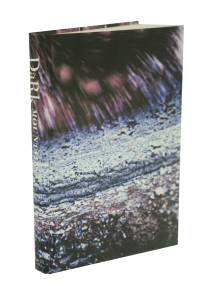
Dark Mountain: Issue 23 – Dark Kitchen PDF
The Spring issue 2023 is set around our Dark Kitchen table where writers, artists and cooks explore food culture in a time of unravelling.
Read more



I’ve always been under the impression that people with compromised digestive function should NOT combine too many different grains in one meal…so I wonder about the digestibility of these flours which have so many different grains in them. I DO love the idea of taking in the whole meadow. I have always believed and experienced the beauty and joy of consuming flowers. Thanks for this interesting look at Vanessa Kimbell’s great work!